
Content Warning: This post discusses premature birth, infant death and grief, NICU care, and postpartum recovery after a C-section. Please read at your own pace, take breaks if you need them, and take care of yourself as you read.
No one plans for the village to gather around loss instead of new life.
2026 was the year of babies in my group of friends. During pregnancy, I had insomnia, and I jokingly sent “You up?” texts to my pregnant friends asking if they were awake too, feeling stressed, excited, anxious, or possibly throwing up. Someone was always a little further ahead, moving through the same stage, or just behind me so we could share what to expect.
Our pregnancies and care looked different. Some of us had OBs, some had doulas, some had midwives, or family doctors, but we each had people we trusted to help us through pregnancy, birth, and the transition into parenthood.
At my baby shower, I thought about our village as the people who would welcome our baby and surround us as new parents. I did not know then that we would need many of those same people to hold us up after my baby’s death, my postpartum recovery, and everything to come.
Becoming Nathan’s parent
I had 31 weeks to prepare for my baby before his unexpected birth. I now have a lifetime ahead of me learning what it means to be his parent without him physically by my side.
Our son, who we named Nathan, was born prematurely and we didn’t know at the time that he was fighting an infection. We cherished every minute we had with our little boy, and we held him close when he died in our arms, three days after he was born.
In our first session, our grief counselor asked us to think through the decisions we had made for Nathan as his parents up to that point. It stuck with me that although we are his parents, the decisions we’ve had to make for him are not the ones we thought we would be making. Most of our decisions for our son have literally been about life and death.
I had already spent my pregnancy making decisions as a parent: how I cared for my body and my baby, who would provide our care, and what we believed would give our baby the healthiest start. At the hospital, those decisions were focused on giving us the best possible outcomes. After our baby died, the experience of being his parent and making decisions for him changed again.
We were in shock. We decided to update our village with one group communication so we didn’t have to send separate messages over and over again. We made phone calls to cancel baby prep appointments, calling a funeral home and discussing plans for his memorial services instead. We ordered his urn and returned the breast pump we had excitedly rented on the first day he came early. We packed away the baby clothes, gifts, and crib.
Thankfully now, the administrative work is less heavy. I continue to make decisions for Nathan, but now they are about rituals, remembrance, and relationships.
When I miss Nathan and need some extra strength, I light a candle and bring it around the house with me, imagining that I am calling on his presence and carrying him with me.
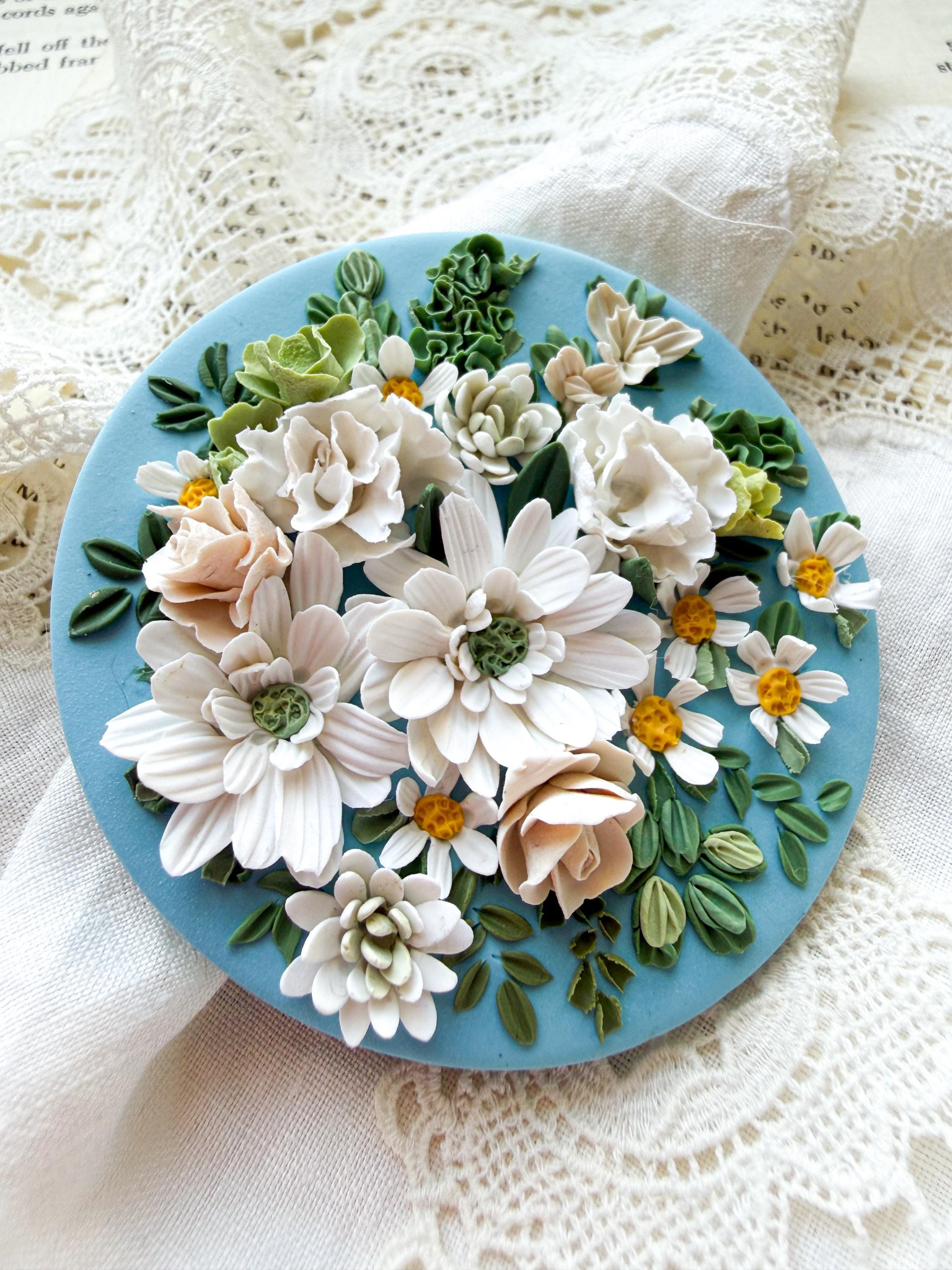
I also have permanent, tangible reminders of Nathan around. I made decisions about which pictures I wanted printed of him and which are too difficult to see every day. I ordered custom jewelry, like a “N” necklace and rings with his birthstone, mine, and his Dad’s. One of my favorite items is a clay recreation of Nathan’s funeral flowers, made into a magnet by a talented Etsy artist. Collaborating with her was a meaningful experience, and for anyone who makes a purchase before the end of 2026, she has generously offered 10% off using the code CALMHEARTED (not an affiliate code).
Becoming Nathan’s parent, and continuing to be his parent after his death, has changed what I need from the people and places around me. It has changed how I understand support, what feels important, and how I move my life as his parent—now a grieving one.
Some of those changes began immediately, because while I was learning how to parent Nathan in his absence, my body was still very much recovering from bringing him into the world.
When postpartum and grief share a body
For me, the first month of postpartum was torture. I couldn’t distinguish what belonged to postpartum from what belonged to grief.
Every physical symptom became another reminder of my pain and loss. Tearfulness, irritability, anxiety, restlessness, fatigue, and hopelessness were all rolled into the same experience.
My midwives’ continued support was one of the first reminders that I was still someone who had given birth and still deserved to be cared for as a new mom. In addition to checking on my post-op healing, they shared grief resources, helped us sort through paperwork, and handled practical tasks so that we did not have to return to the hospital. They never pretended there were perfect words for what had happened, and I found comfort in their honesty and their presence. Even with all their expertise, they could not fix this tragedy, and they stayed with us through it. They always referred to me as Nathan’s parent, called him by name, and shared that they are forever imprinted by our family. They lit candles in their homes when he died and shared that they will continue to do so, especially this October for Pregnancy and Infant Loss Awareness Month.
The reality is that postpartum and grief do not happen in neat, orderly phases. My body kept changing while my mind and heart were still trying to understand that Nathan had died. For me, compassionate care after loss has meant caring for every part of my story: what happened to my son, what my body has been through, and what this experience means for the way I will approach pregnancy and medical care in the future.
Staying in the parent club
Everything had changed, yet I was still a friend in the same group of people I had expected to enter parenthood alongside.
I was afraid loss might separate us, but instead, we have been learning together how to make room for both grief and joy.
My partner and I tried to name the tension that two things could be true at the same time in the update that we shared with our village after Nathan died: we wanted to continue to be included, but we also needed room to manage how that might change moment by moment. Communicating that early helped us trust that we could be open and honest with our feelings.
I could be relieved that my friend’s premature baby was safe and devastated that mine was not. I could attend a baby shower because I wanted to support someone I loved and leave early when it was too overwhelming. I could ask for my friends’ pregnancy updates and feel anxious whenever one appeared on my phone. I did not want to be left out of the parent club we had all been excited to enter just because my baby was not here.
Part of remaining in that circle also meant recognizing that I had a birth story and postpartum experience of my own. If I wanted to participate in conversations about C-sections, physical recovery, feeding, or parenthood, I sometimes had to remind people, and myself, that those experiences belonged to me too. That has been an important part of friendship after loss for me: I do not only want my friends to make room for my grief. I want there to still be room for my experience as a parent.
I had given birth. I had recovered from a C-section. I had pumped milk for my baby. I had spent time in the NICU, holding my baby as he hiccupped and napped on me, skin-to-skin. Those parts of parenthood did not stop belonging to me or feeling like I could still relate to my friends because my son’s story ended differently from theirs.
As time has gone on, I would rather our friends talk openly about their pregnancies, babies, and children than avoid the subject because they are worried about upsetting me. I’ve told my friends that they will never remind me of my loss, but that doesn’t mean every conversation is easy. By being thoughtful about topics that may be difficult for me, my friends help me stay involved in their lives without pushing me beyond what I can handle.
We had always loved hosting and bringing everyone together. In the early days after our loss, the roles changed: our friends brought us food, came into our home without expecting us to host them, and sat with us in our pain. We were still bringing people together, but in our grief, they were holding us together.
They also remembered that I was not only grieving; I was recovering from pregnancy, birth, and major abdominal surgery. One friend researched what I might need after a C-section and brought practical postpartum supplies along with groceries. The way our village showed up helped make an unbearable time feel a little less isolating.
As the months have gone on, that support has evolved. My friends do not need to coordinate meals and visiting hours anymore, but they continue to check in, mention Nathan, recognize my recovery, and understand that I’m moving through parenthood while missing my baby, allowing my capacity to ebb and flow.
Returning to work weary
Eventually, I returned to work, and it became another space to navigate the nonlinear experience of grief.
I went back eight weeks after Nathan died, balancing my workplace’s sentiment that I could take the time I needed with my apprehension of what would be waiting for me upon my return. I wasn’t completely ready, but I had seen how the distraction and sense of purpose helped my partner find some normalcy in the nightmare we were living.
When I got back into running meetings and projects, I could not meet people’s enthusiasm about my return. I should have been on maternity leave. The disconnect was heart-rending.
One day, a colleague asked how I was feeling, and I said, “weary.” I was exhausted by the labor of living with my grief and repeatedly translating it at work, while also having to guide my own support, manage work that had not been addressed in my absence, and ask for acknowledgement and care that I had hoped would come without prompting.
My experience has made me think differently about what workplaces can do before and during that return. This can look like:
- asking the employee what personal information they are comfortable sharing, with whom, and in what language
- keeping condolences and messages of care separate from work logistics or asking questions, so the employee does not feel expected to solve anything or shift back to work topics
- preparing managers and coworkers, reviewing workload together, and creating opportunities to adjust the plan, instead of treating the return date like a completed milestone.
I’ve carried these lessons into how I talk about workplace support for pregnancy and infant loss.
Work cannot take grief away, and a manager, colleague, or HR person does not need to know exactly what to say. I could return to meetings, responsibilities, and familiar routines, but I was returning as a new parent, a grieving one. A workplace can still provide meaningful support by recognizing that pregnancy or infant loss deserves care without comparison, reducing the additional burden placed on a grieving parent, and creating clarity around policies, workload, communication, and expectations for both the employee and the people supporting them.
Carrying parenthood forward
Being a parent after loss has meant figuring out how to carry my relationship with my son into places that were designed around a child being physically present: medical care, family gatherings, friendships, work, and day-to-day conversations.
Every time someone asks or says Nathan’s name, it matters to me. Every message that says, “Nathan is so loved,” or “Thinking of you and Nathan today,” lets me know that he continues to exist beyond just my remembrance of him.
A meaningful way Nathan continues to exist in the world is through connection. About a week after he died, friends brought us the ingredients and recipe for a simple spring salad. I have made it many times for comfort since, calling it “Nathan’s salad” in my head. My friend told me she calls it that now too, so Nathan can be part of the “foodie family” she has always seen us as.
Some of the ways I parent Nathan forward are happening publicly too, through creating Calm-hearted, a personal pregnancy and infant loss platform with my lived experience and complementary resources from existing pregnancy and infant loss support organizations. Sharing personal writing means deciding what remains privately ours and what parts of Nathan’s life I want others to know to help other grieving parents and the people supporting them.
Through this work, I have connected with other grieving parents, opened conversations with people carrying their own stories of love and loss, and helped friends, colleagues, and even strangers understand something about baby loss they may never have encountered before. For me, that has become another form of parenting: making decisions about how Nathan is remembered, what his life can contribute to the world, and how the love I have for him continues to reach other people.
A parent whose baby has died is still a parent. The work of parenting changes: instead of feeding, soothing, playing, and watching a child grow, there may be decisions about remembrance, rituals, anniversaries, and how to tend to grief while keeping a relationship with their baby present in their life.

Even when they are no longer earthside, parenthood after loss carries all the love, grief, memory, and meaning of being your baby’s parent.
Across every part of my life, I am not the same person I was before becoming Nathan’s parent or before losing him. For me, remembering forward means finding ways to continue and honour my relationship with my baby.

