
Postpartum Recovery Recipes That Also Support Milk Supply
The postpartum period is one of the most physically and emotionally demanding phases in a birthing person’s life, and it can last a considerable amount of time. Healing from birth while navigating lactation can feel like two full-time jobs — and both require deep nourishment.
After pregnancy and birth, your body works tirelessly to heal. But hormones and sleep cycles can take months to regulate. All the while, your crying baby is reliant on you to produce milk. Rest and hydration are crucial components of the recovery process, but food also plays a vital role in the healing process. At Brood, we believe food is more than fuel; it’s a form of care. So we gathered expert-backed recipes and tips that help replenish your body, nurture your milk supply, and make daily nourishment a little easier.
Key Nutrients to Be Mindful of for Postpartum Recovery
“Early postpartum weeks are exhausting — and new moms often neglect their own nourishment while caring for their baby,” says Adria Strable, DNP, FNP, CNE, a family nurse practitioner and lactation consultant. She says that postpartum recovery requires a mix of nutrient-dense foods that stabilize energy and support hormonal balance. Must-haves include protein, fiber, healthy fats, calcium, vitamin D, and adequate water and hydration.
To support healing and energy, Strable recommends focusing on:
• Protein (20–30 grams every 3–4 hours) for tissue repair and milk production
• Healthy fats like avocado, olive oil, and seeds to stabilize hormones
• Fiber-rich foods such as oats, flaxseed, and pumpkin seeds for digestion and blood sugar balance
• Hydration — at least one ounce of water per kilogram of body weight, plus calming teas like fenugreek, fennel, or nettle, which may encourage milk flow
What to Add to Your Diet: Expert Tips and Recipes for Postpartum Recovery
Establishing a routine of rest can be challenging with a newborn. After all, they can’t tell day from night for a few weeks after birth. This is where a partner or co-parent can really help.
Strable says that rest, hydration, and breathing techniques can improve lactation. Having someone else do meal prep can spare birthing people a few more minutes of much-needed sleep.
In practice, this doesn’t have to be elaborate, chef-made meals. Instead, prepare snacks with purpose. Whole foods, calming teas, and simple recipes can make all the difference. Keep water bottles or electrolyte drinks in reach so hydration feels doable, not like another task.
Must-Have Ingredients for Key Nutrients for Lactation
Foster Wilson, a postpartum doula and mom of two based in Los Angeles, helps clients balance nourishment with practicality. “As a postpartum doula, I make these no-bake peanut butter oat balls nearly every visit,” she says. “My clients love them—they’re easy to grab, delicious, and full of good fats and proteins.” Wilson’s go-to ingredients—oats, flax, chia, and brewer’s yeast—are rich in fiber, omega-3s, and phytoestrogens that help support milk production naturally.
This no-bake recipe combines rolled oats, ground flaxseed, smooth peanut butter, honey, and shredded coconut, with an optional touch of vanilla or brewer’s yeast. “They’re equally loved by toddlers and grandparents,” she adds. “It’s a snack that supports the whole family while keeping new parents energized and full.”
How to Build Your Postpartum Pantry
Keeping a postpartum-friendly kitchen stocked can make healthy eating easier on days when energy is low. Strable recommends prepping a few staples: cooked quinoa or rice, pre-chopped vegetables, and proteins that can be eaten cold or quickly reheated. Pantry essentials like oats, flaxseed, brewer’s yeast, nut butters, and herbal teas can all serve as building blocks for nutrient-dense snacks.
“Whole foods are always your best foundation,” says Wilson. “They help regulate hormones, stabilize energy, and support milk supply naturally.” And while supplements can fill in gaps, experts agree that balance and consistency matter more than perfection.
“Sweet potatoes are rich in beta-carotene, an antioxidant and precursor to vitamin A, which can help meet the increased vitamin A needs of lactating women. Kale adds calcium, iron, and phytonutrients, while quinoa provides B-vitamins and plant-based protein.”
Quick and Simple Recipe Ideas
Beyond these staple ingredients, nutrient-rich vegetables and whole grains are also essential. Dr. Marra Burroughs, DCN, RD, founder of Marra Burroughs Nutrition, emphasizes that “recovery recipes don’t have to be complicated.” She recommends meals that “deliver steady energy and support nutrient recovery while still tasting comforting.”
She says these three balanced, lactation-friendly options are nutrient-dense, comforting, and easy to prepare.
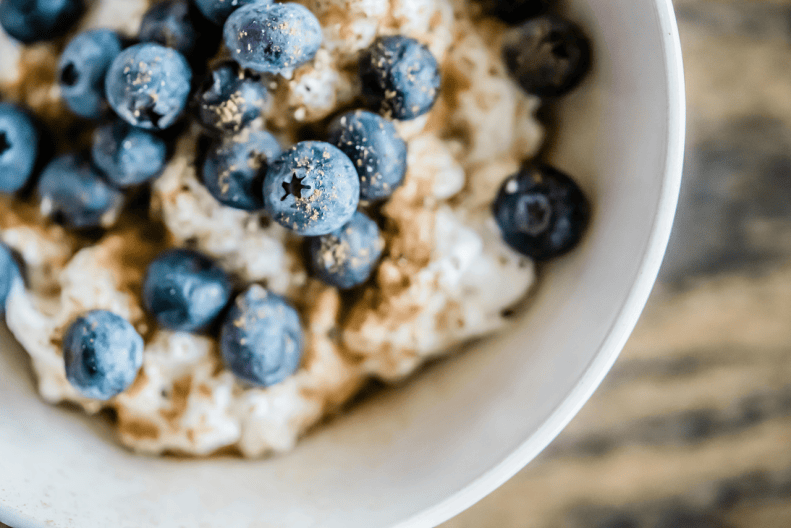
Almond, Honey & Blueberry Oatmeal
Ingredients:
- 1 cup rolled oats
- 2 cups water or milk (dairy or plant-based)
- 1 tablespoon honey
- ¼ cup sliced almonds
- ½ cup fresh or frozen blueberries
- Pinch of salt
- Optional: 1 teaspoon chia or flaxseed for extra fiber
Instructions:
- In a small pot, bring water or milk to a gentle boil.
- Stir in oats and salt, then reduce heat to low and cook until creamy (about 5 minutes).
- Add honey and stir until well combined.
- Top with almonds, blueberries, and optional flaxseed before serving.
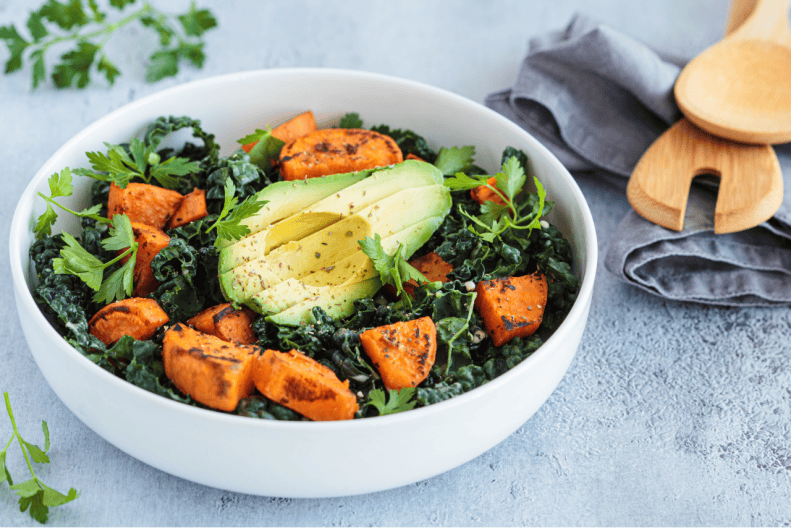
Kale, Avocado & Sweet Potato Quinoa Bowl
Ingredients:
- 1 cup cooked quinoa
- 1 small roasted sweet potato, cubed
- 1 cup chopped kale
- ½ avocado, sliced
- 1 tablespoon olive oil
- 1 teaspoon lemon juice
- Salt and pepper to taste
Instructions:
- Toss kale with olive oil and lemon juice, massaging until softened.
- Add cooked quinoa and roasted sweet potato cubes.
- Top with sliced avocado, and season with salt and pepper.
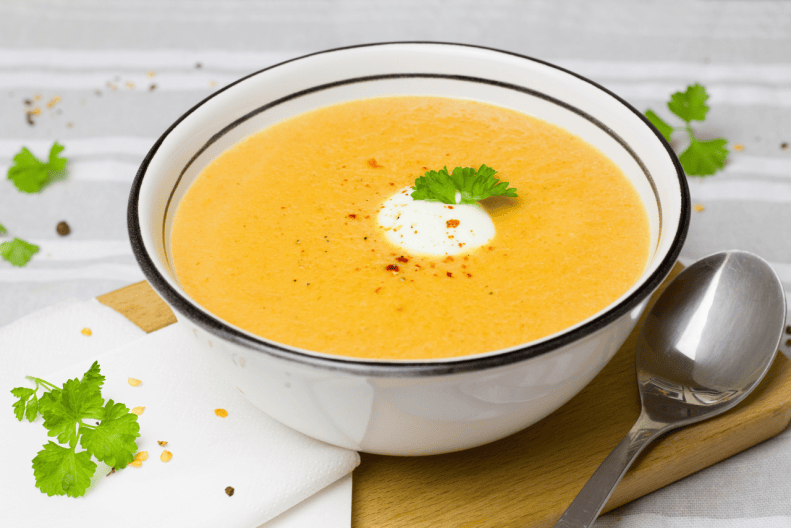
Blended Carrot & Ginger Soup
Ingredients:
- 4 large carrots, peeled and chopped
- 1 small onion, diced
- 2 cloves garlic, minced
- 1 tablespoon grated ginger
- 3 cups low-sodium vegetable broth
- 1 tablespoon olive oil
- Salt and pepper to taste
- Optional: 1 teaspoon flaxseed oil for extra healthy fats
Instructions:
- Heat olive oil in a pot over medium heat. Add onion, garlic, and ginger; sauté until fragrant.
- Add chopped carrots and vegetable broth. Bring to a boil, then reduce to a simmer until carrots are tender (about 20 minutes).
- Use an immersion blender or transfer to a blender to puree until smooth.
- Season with salt, pepper, and drizzle with flaxseed oil if desired.
The Takeaway: Nourish, Rest, and Be Kind to Yourself!
Eating well in the postpartum period can be a struggle for new parents, but it is manageable with a little preparation and the right support system. Grab-and-Go is the name of the game, especially as you’re trying to refuel and rehydrate between nursings.
Remember, every postpartum experience is unique, and the same is true of breast and chest feeding. Be patient with yourself, your baby, and the process. Start building routines around foods you love. And over time, build in substitutions and habits that support overall recovery, while continuing to support milk production. We’re here to cheer you on with tips, resources, and support to help you thrive during this exciting time. You’ve got this!

